

Blog
Australian Vapers: Stop Auto Firing Disposables and Draw Activated Kits

Yes, you can usually stop an auto firing vape immediately: lock the device or power it off, then remove the pod, tank or battery straight away. If it does not power down or feels hot, place it outside on a non-flammable surface and step back. Never charge it or set it on a bed, sofa or carpet while it is firing or still warm, and if repeated auto firing continues, retire the device rather than keep using it.
TL;DR:
- Locked devices prevent auto firing but should be used with caution, and removal of the pod or battery is the fastest way to stop ongoing firing.
- Auto firing occurs from airflow sensor issues, damaged coils, moisture, or internal board faults, with persistent problems indicating a potential safety risk.
- Immediate safety steps include removing the pod or tank, taking out the battery, and moving the device outside on non-flammable surfaces if it continues to heat or smoke.
- Repeated auto firing increases the risk of thermal runaway and fire due to continuous high current stress on the battery, especially if the device shows swelling or burning smells.
- Proper disposal involves fully discharging and safely recycling the device at e-waste centers, especially if faults persist despite troubleshooting.
Table of Contents
- What auto firing means and how to spot it
- Immediate safety actions to stop an auto firing device
- Diagnosing the cause and fixes you can try at home
- Why repeated auto firing is a real fire risk, not just an annoyance
- When to retire your vape and how to recycle it properly
- How genuine parts and local stock make replacements safer
- Practical habits that stop most auto firing problems
- Where to find genuine replacement pods, coils and kits
- Primary sources for safety guidance and further reading
- Sources
- FAQ
What auto firing means and how to spot it
Auto firing happens when a vape heats the coil on its own, without you pressing the fire button or drawing on the mouthpiece. It affects both types of devices, though the cause looks different in each. Button-activated kits fire because something is holding the switch closed. Draw-activated pods and most disposables fire because the airflow sensor thinks you are inhaling when you are not.
Genuine auto firing is easy to confuse with normal warmth or a slightly loose draw, so it helps to know the actual warning signs before you assume the worst.
- Continuous vapour coming from the mouthpiece with no one puffing on it.
- Noticeable heat building in the battery section or near the coil within seconds.
- Battery drain that is far faster than your usual pattern, sometimes a full charge lost in an hour.
- Pocket firing, where the device heats up while stored away and you only notice from the smell or warmth.
- An audible glow or crackle from the coil, which you may hear even without seeing it.
Most devices, including disposables and pod kits, are built with a short auto-cutoff that shuts the coil off before it overheats after a few seconds of continuous firing. That cutoff is a safety feature, not a fix. A device that keeps re-triggering after each cutoff is still malfunctioning and needs the same immediate response as one that fires continuously.
Immediate safety actions to stop an auto firing device
Speed matters more than diagnosis in the first minute. Work through these steps in order rather than trying to figure out the cause first.
- Lock the device by clicking the fire button five times in quick succession, the standard lock gesture on most regulated mods and pod kits.
- Remove the pod or tank immediately. This breaks the circuit between the battery and the coil and is the fastest way to stop the heating, regardless of what caused it, according to retailer troubleshooting guidance.
- Take the battery out if it is a removable cell. Set it down on a metal or ceramic surface away from anything flammable.
- If the device cannot be opened or powered down, place it outside on concrete, brick or another non-flammable surface and keep people and pets away from it.
- Do not touch the charging port or attempt to charge it. A device that is actively auto firing or still warm should never be plugged in.
- Treat heat, hissing or a swelling battery as a fire risk. Move further away and call emergency services if it starts smoking, venting gas or producing flames.
Regulators warn that failing lithium-ion cells can enter thermal runaway, a chain reaction that produces intense heat and can lead to fire or explosion, according to the ACCC’s report on lithium-ion batteries. That is the exact failure mode a persistently auto firing device is at risk of, which is why the response above prioritises separating the battery from any fuel source rather than trying to diagnose the fault on the spot.
Call emergency services if you see actual smoke, flame or gas venting from the device, or if the casing is visibly swelling. Those are signs the cell has already started to fail, not signs that a quick fix is coming.
Diagnosing the cause and fixes you can try at home
Once the device is safely powered down and cooled, most auto firing problems trace back to one of a handful of causes, roughly in order of how often they show up.
- A stuck fire button. Press and release it a few times to check it springs back cleanly; grit or a knock can wedge it in the closed position, and gently working it loose often clears the fault.
- E-liquid on the contacts. Pull the pod or tank and look for liquid pooling around the battery connection pins, which can bridge the contacts and trigger firing on its own.
- Moisture in the draw sensor. Condensation inside the airflow channel can fool a draw-activated device into thinking you are inhaling; this is one of the more common causes on disposables and simple pod kits.
- A worn or flooded coil. A coil that is due for replacement or has been over-saturated can short internally, so swapping it is worth trying before you write off the whole device.
- A board-level fault. If the device keeps firing after you have cleaned it, dried it and locked it, the problem is most likely in the protection chip or MOSFET, according to Vape Daily’s troubleshooting breakdown. That kind of fault is not something you can safely open up and repair at home.
Leave the pod bay open to dry for around ten minutes before reassembling. For draw sensor issues, try gently blowing into the mouthpiece a few times with the pod removed, which can clear light condensation from the sensor.
Pro tip: Lower-strength isopropyl, anything under 90%, contains enough water to leave a residue behind, so stick with 99% for contacts and sensors.
If cleaning and drying do not stop it, replace the coil or pod before assuming the whole unit is faulty. Only once you have tried a fresh pod and the device still auto fires should you treat it as a board-level failure and stop using it.
Why repeated auto firing is a real fire risk, not just an annoyance
A vape that keeps firing on its own is not simply wasting e-liquid. Every extra second of unwanted heating pushes more current through the cell, and that heat has nowhere to go in a small sealed casing. Repeated cycles like this are exactly the kind of stress that leads to thermal runaway in a damaged or poor-quality lithium-ion battery.
Fire and Rescue NSW has flagged a rise in lithium-ion battery fires and specifically warns people never to charge these devices unattended, never to charge them on beds or sofas, and to buy from reputable brands.
Fire and Rescue NSW, community safety advisory
Physical damage, short circuits and unauthorised hardware are named as primary contributors to vape battery failures in a mines safety bulletin from WorkSafe WA, which also advises against charging devices unattended or on flammable surfaces. Three habits cut most of that risk: never leave a charging device unattended, never charge or store it on soft furnishings, and only use the charger and pods the manufacturer specifies rather than generic substitutes.
When to retire your vape and how to recycle it properly
Some faults are worth troubleshooting. Others are a sign to stop using the device altogether, even if it still technically works.
- Persistent auto firing that returns after cleaning, drying and a fresh pod or coil.
- A swollen or misshapen battery casing, which indicates internal gas buildup from a failing cell.
- An unusual chemical or burning smell, even when the device is not currently firing.
- Heat that lingers long after use, rather than cooling down within a minute or two.
Once you decide to retire a device, do not throw it in general rubbish. Lithium-ion cells in landfill or standard recycling streams have been linked to fires, according to the ACCC. Discharge the device fully where possible, tape over the terminals or place it in a small metal tin, and take it to a council e-waste drop-off point or a battery recycling scheme rather than a kerbside bin.
How genuine parts and local stock make replacements safer
A lot of auto firing cases trace back to worn pods, mismatched coils or chargers that were never designed for the device in the first place. Many replacement pods and coils are built to the specifications the original manufacturer intended rather than generic substitutes that may not seal or connect properly.
- Genuine sourcing means replacement coils and pods are matched to your actual device rather than a rough equivalent.
- Local Australian warehouse stock means a faulty pod does not sit on a slow overseas order while you are stuck without a working device.
- A straightforward returns policy covers you if a replacement part arrives faulty rather than fixing the problem.
If you are not sure which pod, coil or charger matches your kit, it is worth checking compatibility before buying rather than guessing, since a poor-fitting part is one of the more common causes of contact-related auto firing in the first place.
Practical habits that stop most auto firing problems
The single biggest habit that prevents auto firing is locking your device before it goes in a pocket or bag, since pocket firing accounts for a large share of the “my vape got hot for no reason” reports people bring in. Beyond that, a weekly wipe of the pod contacts with isopropyl and a quick check that the pod actually clicks into place catches most contact and moisture faults before they start.
- Lock the device every time before pocketing it, not just when you remember.
- Check pod fit and clean contacts on a weekly schedule rather than only when something goes wrong.
- Avoid chain vaping and leaving devices in hot cars or direct sun, both of which stress the battery.
- Keep your receipt and buy chargers and parts made for your specific device rather than generic alternatives.
— Alison
Where to find genuine replacement pods, coils and kits
If your device has earned a retirement after repeated auto firing, replacing it properly matters more than replacing it quickly. Auecigstore stocks vape kits, vape pods and disposable vapes and pens sourced from authorised distributors, along with e-liquids, vape accessories and vaporizers to match.
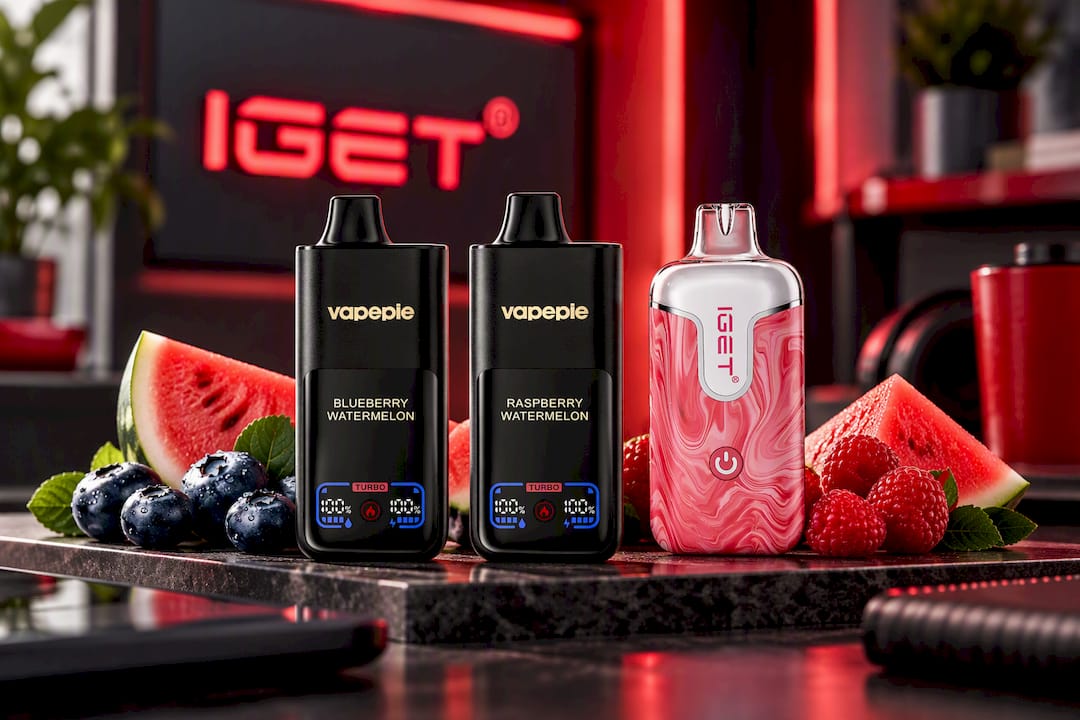
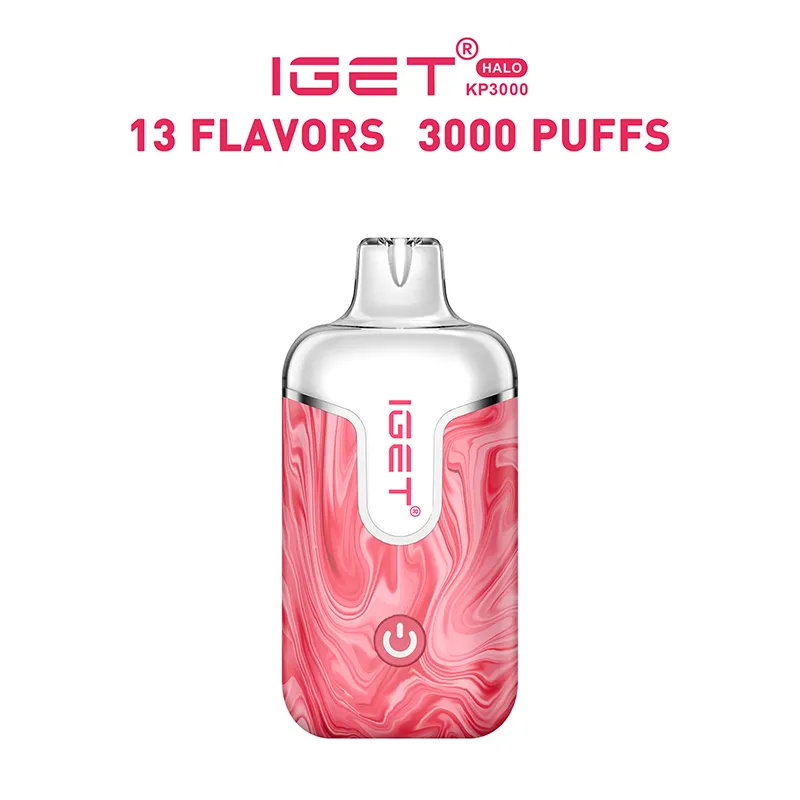
For pod kits built to handle daily use with fewer contact issues, the Vaporesso pod vape kit range is worth a look, and if a disposable is more your style, the Geek Bar disposable vape range and flavours like Blueberry Watermelon and Raspberry Watermelon are both stocked and ready to ship. If you would rather go with a proven kit, the IGET Halo Vape Kit 3000 Puffs is a solid option, and our guides can help you confirm which pod or coil actually matches your current device before you order.
Primary sources for safety guidance and further reading
These are the safety authorities and guides referenced throughout this article, useful if you want to check the detail behind a specific claim.
- Fire and Rescue NSW on the rise in lithium-ion battery fires and charging safety.
- WorkSafe WA mines safety bulletin on e-cigarette device hazards.
- ACCC report on lithium-ion battery risks and disposal.
Sources
- Mines safety bulletin: hazards associated with use of e-cigarette devices — WorkSafe WA
- Spate of lithium-ion fires and NSW Government survey sparks community wakeup call on battery risks — Fire and Rescue NSW
- Lithium-ion batteries — ACCC report
FAQ
My vape is auto firing. What should I do?
Lock the device or power it off, then remove the pod, tank or battery immediately to break the heating circuit. If it will not shut down or feels hot, place it outside on a non-flammable surface, keep your distance, and never charge it while it is firing or still warm.
Can lungs heal after 7 years of vaping?
This article does not cover long-term lung recovery timelines, and making a specific claim here would go beyond what the sources used to write it support. Speak with a doctor or a smoking and vaping cessation service for guidance specific to your situation.
Is 20 puffs of vape a day bad?
This guide focuses on auto firing safety rather than health outcomes from a given puff count, so a reliable answer here is not something the sources support. A GP or pharmacist is better placed to advise on nicotine intake for your circumstances.
What vapes have auto draw?
Auto draw, also called draw-activated, describes devices that fire automatically when you inhale rather than requiring a button press, and it is standard on most disposables and many simple pod kits. Auecigstore’s disposable vapes and pens and vape pods ranges include draw-activated options if you are choosing a new device.
How do I know if my vape’s auto firing means it is broken for good?
If the device still auto fires after you have locked it, cleaned the contacts and tried a fresh pod or coil, the fault is likely in the internal protection circuit rather than something fixable at home. At that point the safest move is to stop using it and recycle it through a battery drop-off point rather than a general bin.
Recommended
Created with the help of BabyLoveGrowth

